Best Family Hotels in the US: An Expert Planning Guide
Evaluating accommodations for multi-generational domestic travel requires navigating a complex intersection of spatial logistics, regional hospitality economics, and shifting consumer expectations. When households look beyond generic promotional materials to identify the best family hotels in the us, they frequently encounter a fragmented landscape where marketing terminology obscures actual operational capabilities. Modern properties targeting family segments must balance acoustic privacy, scalable square footage, structured youth programming, and transparent fee architectures without sacrificing core luxury or comfort standards.
The domestic hospitality sector serving family units has evolved far beyond basic rollaway beds and standard indoor pools. Structural market forces—including the proliferation of branded multi-room suites, highly regulated children’s enrichment coordinators, and dynamic yield management driven by public school calendars—dictate how properties position themselves. Planners who approach these assets without a rigorous structural framework frequently miscalculate occupancy bottlenecks, hidden resort fees, and the stark operational differences between urban high-rise suites and expansive rural ranch properties.
This analysis establishes an exhaustive evaluation framework for multi-generational and domestic family lodging properties across the United States. By tracing historical shifts, examining operational mental models, and analyzing resource management strategies, this resource serves as a definitive reference. Specifically, it provides deep intellectual mastery over how to analyze, select, and evaluate the best family hotels in the us for discerning parents, hospitality strategists, and travel asset managers.
Understanding best family hotels in the us
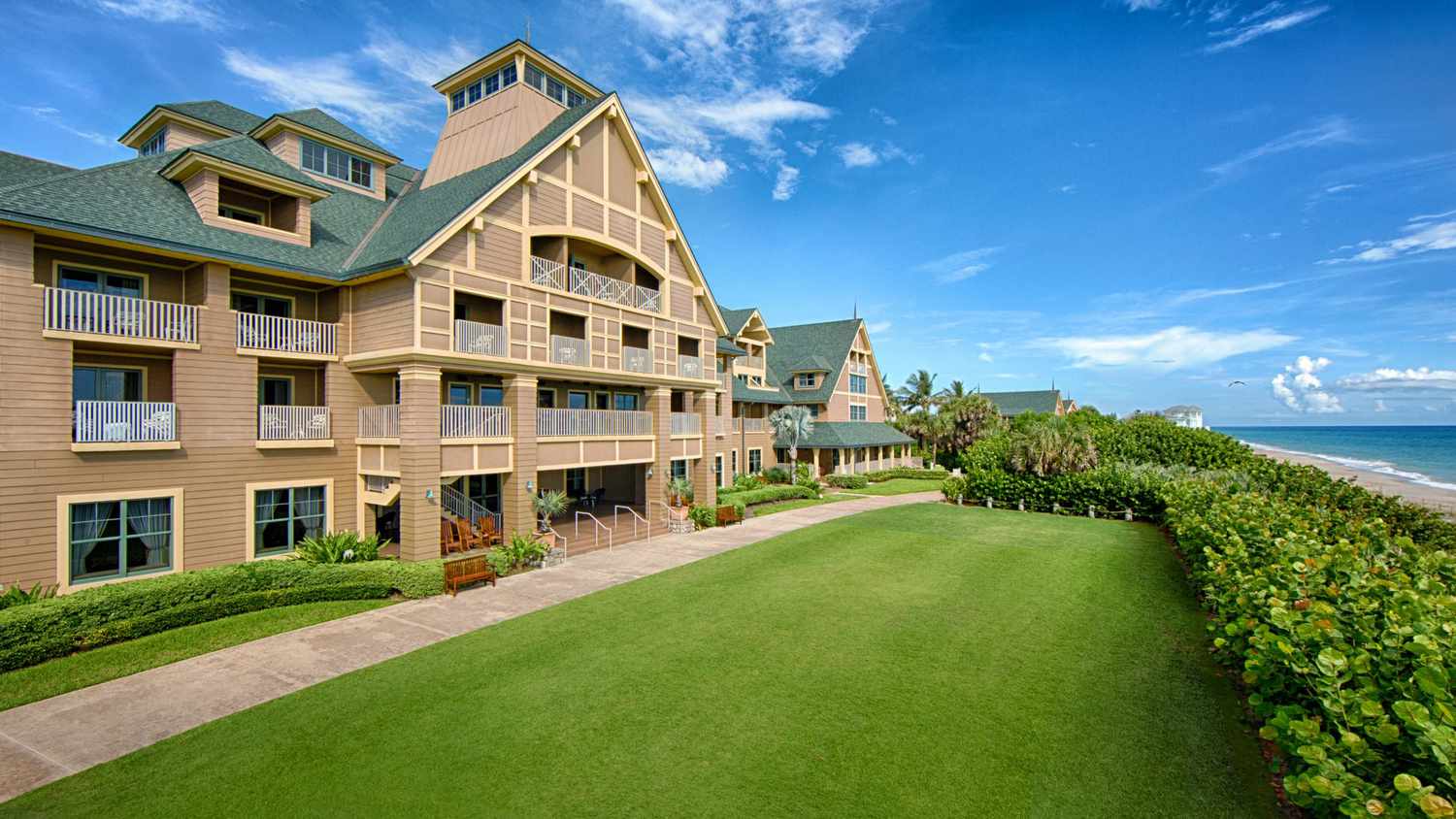
The phrase best family hotels in the us is frequently treated in leisure travel media as a subjective checklist of properties featuring waterslides or character breakfasts. In professional hospitality management, travel design, and real estate asset evaluation, however, analyzing the best family hotels in the us demands a rigorous, multi-variable framework. Analysts must categorize properties by spatial efficiency, acoustic engineering, multi-room connectivity guarantees, and the integration of professional youth programming. A primary error among leisure travelers is assuming that a luxury urban hotel automatically translates to an optimal family environment, ignoring the severe spatial constraints of standard downtown room footprints.
A critical risk when evaluating the best family hotels in the us involves underestimating the operational friction caused by rigid property layouts and unadapted service models. Unlike corporate travelers who require minimal square footage and quiet solitude, family groups require distinct zoning for sleep, recreation, and dining. Consequently, learning to identify the best family hotels in the us requires comprehensive operational literacy, an understanding of local zoning and safety regulations, and an appreciation of how physical architecture impacts family dynamics. True analytical mastery rests in recognizing that selecting the best family hotels in the us depends entirely on matching property-level operational infrastructure with the distinct life-stage requirements of the traveling unit.
The Historical Evolution of Domestic Family Hospitality
The development of family-oriented hospitality in the United States reflects profound shifts in middle-class disposable income, automobile infrastructure, and post-war vacation culture. During the mid-twentieth century, the rise of the American highway system spurred the proliferation of independent motor lodges and roadside motels, which offered basic parking-to-door access and rudimentary outdoor swimming pools. These early properties prioritized convenience and low operating costs over specialized programming or multi-room spatial segregation.
The late twentieth and early twenty-first centuries disrupted this model with the emergence of master-planned resort complexes, all-suite brand extensions, and urban lifestyle properties explicitly engineered for multi-generational groups. Hospitality brand conglomerates recognized that capturing the domestic family market required shifting from uniform hotel rooms to configurable suites featuring kitchenettes, separate living quarters, and supervised kids’ clubs. Today, identifying the best family hotels in the us represents an evaluation of sophisticated asset management, where properties leverage proprietary digital booking engines, integrated wristband access control, and dedicated family concierges to maintain a competitive edge.
Conceptual Frameworks for Family Property Architecture
Assessing the structural integrity, spatial efficiency, and long-term value of premier domestic family properties requires the application of rigorous analytical mental models:
-
The Spatial-to-Occupant Ratio: Evaluates square footage per guest across multi-room suites to ensure adequate physical separation and privacy during extended stays.
-
The Acoustic Isolation Index: Measures floor-and-wall Sound Transmission Class (STC) ratings to guarantee uninterrupted sleep for infants and toddlers amidst high-density resort activity.
-
The Ancillary Amenity Density: Quantifies the proportion of on-site family infrastructure—such as zero-entry pools, structured nature centers, and certified childcare facilities—relative to base room tariffs.
Categorizing Property Variations and Structural Trade-offs
| Property Category | Primary Operational Advantage | Structural and Financial Trade-off |
| Master-Planned Destination Resorts | Comprehensive on-site kids’ clubs, multiple pools, and extensive dining | High resort density, premium nightly tariffs, and mandatory resort fee stacking |
| All-Suite Aparthotels & Residences | Full kitchen facilities and multi-room layouts reducing dining overhead | Absence of traditional full-service resort programming and daily luxury housekeeping |
| Historic National Park Lodges | Unmatched geographic integration with wilderness and educational trails | Historic spatial constraints, limited modern amenities, and extreme booking windows |
| Urban Luxury Lifestyle Hotels | Proximity to world-class museums, cultural sites, and transit networks | Premium parking costs, limited outdoor recreation space, and cramped room footprints |
| All-Inclusive Ranch & Adventure Properties | Fixed-cost financial predictability and immersive outdoor programming | Remote geographic locations requiring complex transit logistics and high upfront cost |
| Theme Park Integrated Properties | Early park admission perks, immersive theming, and dedicated transit | High nightly room rates driven by captive audience pricing models |
When applying decision logic to these property categories, family planners must align their vacation objectives with the physical and financial reality of each asset class. For instance, families seeking deep nature immersion will accept the rustic constraints of historic mountain lodges. Conversely, families requiring seamless entertainment infrastructure and high-volume dining options will gravitate toward master-planned destination resorts or theme park properties.
Detailed Real-World Scenarios and Decision Logic
Scenario 1: Selecting an Urban Luxury Hotel for a Multi-Generational City Break
A family of five books standard connecting rooms at a premier downtown luxury hotel to explore a major metropolitan area.
-
Constraint: The historic urban property features rigid structural walls that prevent the installation of true internal connecting doors between rooms.
-
Failure Mode: Family members are separated across non-adjacent hallways, complicating supervision of young children and elder care.
-
Decision Point: Prioritize modern suite-hotel properties or extended-stay assets specifically designed with multi-room interior doors and full kitchens.
Scenario 2: Managing Weather Vulnerabilities at a Coastal Resort
A family books a week-long stay at an outdoor-centric coastal resort during an unpredictable seasonal transition window.
-
Constraint: Unseasonable torrential rainfall closes all outdoor beach activities, resort pools, and kids’ camp facilities for three consecutive days.
-
Failure Mode: The property lacks indoor alternative recreation spaces, resulting in severe passenger congestion and guest dissatisfaction.
-
Decision Point: Select properties featuring robust indoor entertainment infrastructure, multi-purpose recreational halls, and weather-resilient family zones.
Planning, Cost, and Resource Dynamics
Executing family lodging strategies across diverse U.S. geographic markets requires rigorous financial forecasting and an understanding of regional rate volatility. The economic landscape of domestic family travel is heavily shaped by seasonal demand surges, school holiday multipliers, and hidden operational surcharges.
| Financial Variable | Economic Variability | Strategic Impact on Asset Performance |
| Seasonal Holiday Rate Multipliers | Extreme | Booking outside strict school breaks yields substantial room rate savings |
| Mandatory Resort and Facility Fees | Moderate | Unavoidable daily add-ons inflate the baseline cost of ownership |
| Group Attrition and Cancellation Penalties | High | Unused rooms in a formal block incur heavy financial liabilities |
| Currency Fluctuation Exposure (Domestic) | None | Stable domestic transactions eliminate foreign exchange risk |
Tools, Strategies, and Support Systems
-
Direct Property Communication Portals: Direct email channels used to negotiate complimentary upgrades and confirm room configurations with management.
-
Dynamic Price Tracking Extensions: Automated monitoring tools alerting planners to rate drops prior to cancellation deadlines.
-
Family Concierge Coordination Services: Dedicated property staff utilized to pre-book dining reservations, equipment rentals, and kids’ club slots.
-
Expense-Sharing Financial Applications: Mobile platforms utilized to track and split multi-generational travel costs transparently among relatives.
Risk Landscape and Failure Modes
The primary hazard inherent in selecting family accommodations is marketing dissonance. Because properties frequently advertise themselves as family-friendly based solely on the presence of a shallow outdoor pool, planners often overlook critical shortcomings such as dangerous acoustic bleed from late-night lounges, hazardous architectural water features, or a complete absence of refrigeration in standard guest rooms. Falling into the trap of booking based on edited promotional photography accounts for a high percentage of failed family vacations.
An internal operational failure mode is capacity friction within supervised children’s programs. Many high-end resorts maintain strict staff-to-child ratios in their kids’ clubs, leading to immediate booking lockouts during peak holiday weeks if reservations are not secured months in advance. Unprepared families discover upon arrival that their children cannot access the primary amenity that justified the property selection.
Governance, Maintenance, and Long-Term Adaptation
Maintaining property evaluation accuracy requires a disciplined, iterative review methodology. Prudent planners must conduct milestone audits at ninety, sixty, and thirty days prior to departure to verify property security certifications, amenity operating hours, and cancellation protections. If historical data reveals that a particular resort brand consistently degrades its on-site children’s programming or defers facility maintenance, that brand should be permanently blacklisted from future travel consideration.
Additionally, family travel organizers should maintain a master property log to archive historical reviews, verified noise levels, and safety audit ratings. If regional tourism safety standards shift due to changing local regulations or infrastructure degradation, subsequent lodging selection criteria must be adjusted accordingly.
Measurement, Tracking, and Evaluation Frameworks
-
Spatial Satisfaction Index: Quantifies guest comfort regarding room layout, storage capacity, and privacy separation across the stay.
-
Amenity Utilization Rate: Measures the actual frequency with which family members engage with advertised resort features like pools, clubs, and trails.
-
Total Cost Efficiency Ratio: Evaluates the monetary value extracted per square foot and per integrated amenity during the reservation period.
-
Service Responsiveness Metric: Tracks how quickly property management resolves logistical or maintenance issues reported by the family group.
Common Misconceptions and Oversimplifications
-
Myth: “All properties advertising children’s programs offer professional, certified childcare.” Reality: Many resort kids’ clubs operate merely as unmonitored playrooms rather than structured, certified educational environments.
-
Myth: “Booking through third-party discount aggregators guarantees identical room access and treatment.” Reality: Third-party bookings frequently place families in the least desirable room locations, often directly above loading docks or adjacent to elevator shafts.
-
Myth: “Urban boutique hotels are inherently unsuitable for family travel.” Reality: Select urban boutiques offer exceptional family packages, custom in-room camping setups, and tailored local museum itineraries.
-
Myth: “Resort fees cover all recreational equipment and facility usage.” Reality: Mandatory resort fees typically cover basic Wi-Fi and gym access, while charging separately for bicycle rentals, tennis courts, and kids’ club entry.
Ethical, Practical, and Contextual Considerations
The selection of premier domestic family accommodations raises important questions regarding accessibility, socioeconomic equity, and environmental stewardship. Major luxury resorts often occupy ecologically sensitive coastal or mountain ecosystems, where high-density tourist traffic strains local water supplies and wildlife habitats. Forward-thinking travelers increasingly evaluate properties based on their environmental sustainability certifications, local community labor practices, and ADA accessibility compliance, ensuring that family leisure choices support responsible regional development without compromising operational excellence.
Conclusion
The identification and selection of the best family hotels in the us requires an uncompromising synthesis of architectural analysis, financial literacy, and logistical foresight. True mastery in domestic family travel planning involves looking past superficial marketing imagery to evaluate the core spatial layouts, acoustic engineering, and child-support infrastructure of each property. By approaching venue selection with analytical rigor and intellectual honesty, families ensure that their travel investments yield enduring comfort, seamless execution, and genuine multi-generational enrichment.