
Top Family Experiences in America: An Expert Guide
Crafting multi-generational itineraries across the vast geographic footprint of North America involves balancing high-energy adventure, educational enrichment, and psychological decompression. When households move past commercialized theme parks and superficial tourist traps, they uncover an intricate landscape of regional heritage, ecological diversity, and structured outdoor exploration. Identifying and curating the top family experiences in america demands a sophisticated understanding of logistics, pacing, and group dynamics that traditional travel writing routinely glosses over.
Evaluating this sector requires looking past glossy marketing brochures and promotional video reels. Structural realities—including seasonal weather shifts, remote geographic isolation, booking windows for high-demand public lands, and the physical stamina variations across age brackets—dictate whether a group journey succeeds or collapses into fatigue. Planners who approach these domestic assets without a structured evaluative methodology frequently miscalculate crowd congestion, permit bottlenecks, and the sheer logistical friction of moving multi-generational units across state lines.
This analysis establishes an exhaustive evaluation framework for premier domestic family adventures. By tracing historical shifts, examining operational mental models, and analyzing resource management strategies, this resource serves as a definitive reference. Specifically, it provides deep intellectual mastery over how to analyze, select, and evaluate the top family experiences in america for discerning parents, educational travel coordinators, and multi-generational group leaders.
Understanding top family experiences in america
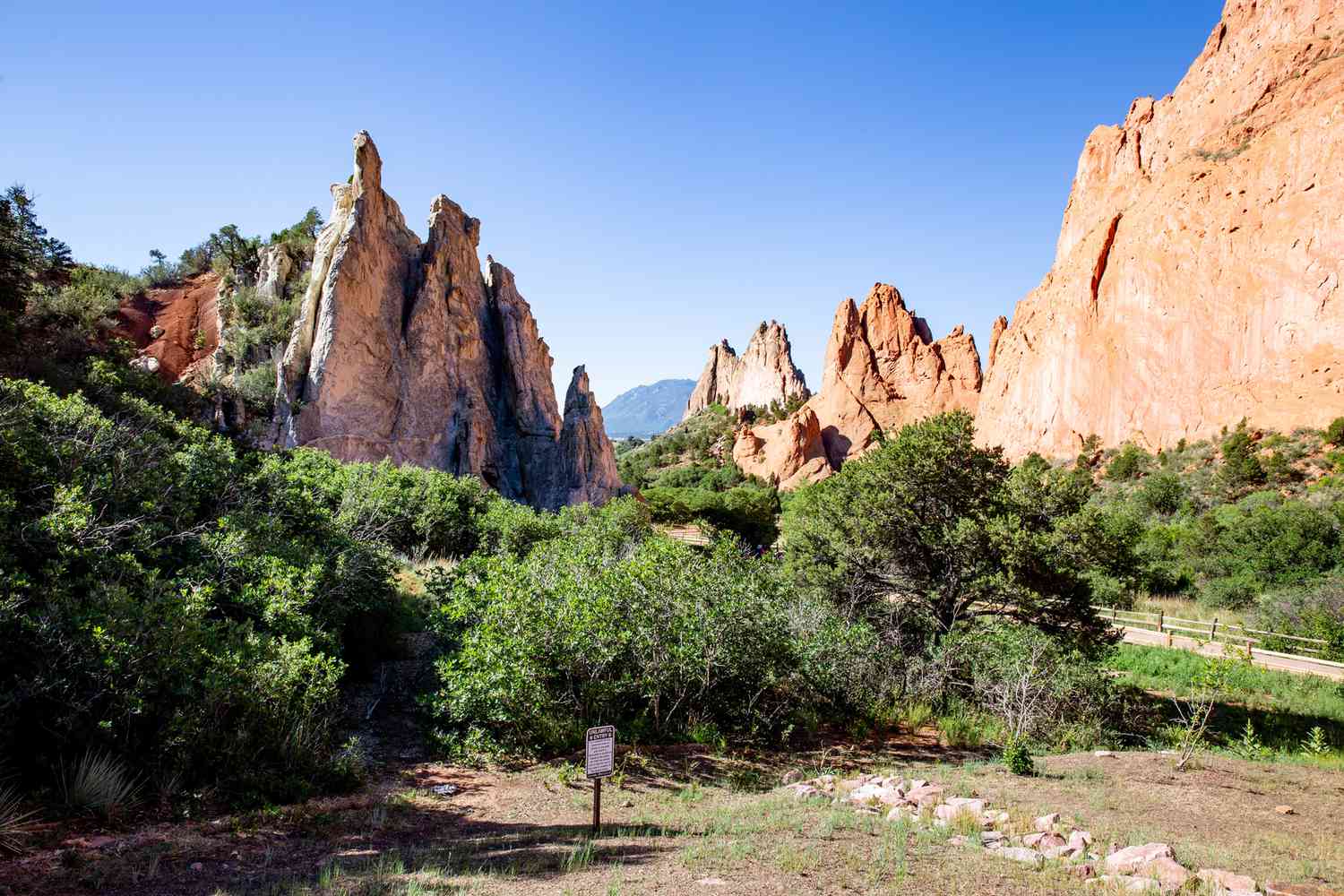
The phrase top family experiences in america is frequently treated in leisure travel media as a generic list of amusement parks, crowded beaches, and commercial boardwalks. In professional travel curation, cultural geography, and family asset evaluation, however, analyzing the top family experiences in america demands a rigorous, multi-variable approach. Analysts must categorize excursions by cognitive enrichment potential, physical accessibility, generational inclusivity, and environmental sustainability. A primary error among leisure travelers is assuming that high financial expenditure guarantees an engaging family outcome, ignoring the psychological fatigue associated with over-scheduled, hyper-commercialized itineraries.
A critical risk when evaluating the top family experiences in america involves underestimating the friction caused by mismatched pacing and environmental extremes. Unlike solo adventurers or adult-only travelers who can pivot instantly across rough terrain or sudden weather alterations, family groups containing young children and older relatives require carefully calibrated transitions, reliable rest architecture, and predictable nourishment schedules. Consequently, learning to identify the top family experiences in america requires comprehensive logistical literacy, an understanding of public land management policies, and an appreciation of how shared physical challenges foster lasting developmental bonds. True analytical mastery rests in recognizing that selecting these experiences depends entirely on matching the operational intensity of an activity with the collective stamina and curiosity of the group.
The Historical Evolution of Domestic Family Tourism
The development of family-oriented leisure travel in the United States reflects profound shifts in middle-class disposable income, federal infrastructure investment, and cultural attitudes toward education and leisure. During the nineteenth and early twentieth centuries, elite families sought rustic rejuvenation at grand historic mountain springs and early national park lodges, traveling via transcontinental railways. These early excursions were largely restricted to privileged socioeconomic tiers and focused on long-duration summer retreats rather than fast-paced tourism.
The post-World War II economic boom, paired with the rapid expansion of the Interstate Highway System and affordable commercial aviation, radically democratized domestic travel. The rise of the automobile vacation transformed family leisure, giving birth to iconic roadside attractions, state parks, and eventually sprawling master-planned entertainment complexes. Today, the landscape of the top family experiences in america represents a sophisticated synthesis of eco-tourism, indigenous cultural immersion, interactive science education, and wilderness conservation. Modern travel designers leverage digital reservation portals, lottery systems for fragile national treasures, and specialized guide services to navigate a sector defined by surging public demand and ecological stewardship.
Conceptual Frameworks for Experience Architecture
Assessing the cognitive depth, structural pacing, and long-term value of premier domestic family experiences requires the application of rigorous analytical mental models:
-
The Cognitive-Physical Load Balance: Evaluates the ratio of high-intensity physical exertion to calm educational absorption within a daily itinerary to prevent emotional burnout.
-
The Intergenerational Inclusivity Index: Measures how effectively a specific activity accommodates the physical capabilities of toddlers, parents, and grandparents simultaneously without alienating any demographic.
-
The Environmental Immersion Quotient: Quantifies the degree of authentic engagement with natural ecosystems or cultural heritage sites versus manufactured tourist environments.
Categorizing Activity Variations and Structural Trade-offs
| Experience Category | Primary Operational Advantage | Structural and Financial Trade-off |
| High-Alpine National Park Expeditions | Unmatched ecological education and awe-inspiring landscapes | Strict permit systems, unpredictable weather, and strenuous physical demands |
| Immersive Cultural & Historical Hubs | Deep civic education through interactive museums and walking trails | High urban crowd density, expensive parking, and navigate-heavy transit |
| Coastal Marine & Wildlife Sanctuaries | Direct wildlife observation and tactile marine conservation programs | Highly seasonal availability, tidal constraints, and variable weather visibility |
| Immersive Heritage & Living History Farms | Hands-on generational skill-sharing and slow-paced community learning | Limited modern indoor climate control and rustic dining infrastructure |
| Active River & Canyon Adventure Tours | High-adrenaline team building and rugged outdoor bonding | Heightened safety risk profiles and strict age/height operational limits |
| Specialized Science & Space Centers | Cutting-edge technological literacy and interactive STEM engagement | High indoor acoustic noise levels and fixed daily ticketing capacities |
When applying decision logic to these activity categories, family planners must align their travel objectives with the physical and financial reality of each operational model. For instance, families seeking deep wilderness immersion in alpine parks will accept strict advance permit lotteries and physical altitude adjustments. Conversely, families requiring predictable urban logistics and indoor climate control will gravitate toward structured historical city trails and interactive science institutions.
Detailed Real-World Scenarios and Decision Logic
Scenario 1: Navigating High-Altitude National Park Reservations
A multi-generational family plans an exploratory summer trek through a premier Rocky Mountain national park.
-
Constraint: Popular scenic corridors require advanced timed-entry reservation permits that sell out months in advance, and older relatives experience mild altitude sickness upon arrival.
-
Failure Mode: Arriving without permits results in immediate gate turn-aways, while ignoring altitude adjustment protocols triggers medical fatigue for elderly participants.
-
Decision Point: Secure permits during early release windows, schedule a mandatory low-elevation acclimatization day in gateway mountain towns, and pace daily hiking vertical gains.
Scenario 2: Managing Urban Fatigue During Historical City Explorations
A family undertakes an intensive walking tour of historic East Coast civic monuments and museums during peak summer humidity.
-
Constraint: Continuous concrete-walking across multiple sprawling museum complexes overwhelms younger children, causing behavioral friction and physical exhaustion.
-
Failure Mode: Attempting to force-march through every scheduled attraction destroys group morale and defeats the educational objective.
-
Decision Point: Implement a strict morning-only touring window, reserve afternoons for unstructured rest or shaded park relaxation, and utilize public transit instead of walking across distant sectors.
Planning, Cost, and Resource Dynamics
Executing complex family itineraries across diverse U.S. regions requires rigorous financial forecasting and an understanding of regional supply-demand volatility. The economic landscape of domestic travel is heavily shaped by seasonal permit fees, guide tariffs, and transit overhead.
| Financial Variable | Economic Variability | Strategic Impact on Asset Performance |
| National Park & Attraction Permit Costs | Low to Moderate | Nominal entry fees paired with high competition require advance planning |
| Specialized Guided Expedition Tariffs | High | Private wilderness guides or river rafting outfitters require substantial capital outlays |
| Domestic Airfare and Car Rental Rates | Extreme | Holiday surges and one-way drop fees heavily inflate baseline transit budgets |
| Rural Lodging and Cabin Availability | Moderate to High | Limited inventory in gateway towns drives premium seasonal pricing |
Tools, Strategies, and Support Systems
-
Official Public Land Reservation Portals: Centralized government booking systems utilized to secure timed entry, wilderness permits, and campsite slots.
-
Interactive Offline Mapping Applications: Digital cartography software downloading regional topography for offline navigation in remote park areas.
-
Local Ranger and Naturalist Programs: Structured educational workshops hosted by public land stewards to enrich youth engagement.
-
Multi-Generational Packing Checklists: Comprehensive gear inventories categorizing layers, hydration systems, and medical supplies by family member.
Risk Landscape and Failure Modes
The primary hazard inherent in domestic adventure planning is environmental underestimation. Because families frequently treat national parks and outdoor excursions as casual tourist stops, they often overlook critical safety protocols regarding wildlife encounters, rapid weather shifts, dehydration, and hypothermia at high altitudes. Falling into the trap of inadequate physical preparation accounts for a high percentage of preventable search-and-rescue incidents in remote American wilderness zones.
An internal operational failure mode is itinerary over-scheduling. When travel planners attempt to maximize every hour by packing multiple major attractions into a single day across vast geographic distances, the resulting transit fatigue eliminates the joy of discovery. Unplanned traffic congestion, parking shortages, and long security queues compound this stress, turning an anticipated dream vacation into an exhausting endurance test.
Governance, Maintenance, and Long-Term Adaptation
Maintaining the quality and safety of multi-generational travel requires a disciplined, iterative review methodology. Prudent planners must conduct milestone evaluations at ninety, sixty, and thirty days prior to departure to verify permit approvals, vehicle rental confirmations, and physical training milestones. If historical travel data reveals that a specific region or park suffers from unmanageable seasonal overcrowding, planners must adapt by shifting travel dates to shoulder seasons or pivoting to alternative ecological preserves.
Additionally, family organizers should maintain a master travel log to archive historical route data, weather patterns, and gear performance evaluations. If local infrastructure degradation or changing park access policies restrict future itineraries, subsequent travel planning criteria must be adjusted accordingly.
Measurement, Tracking, and Evaluation Frameworks
-
Group Engagement Index: Quantifies enthusiasm levels and active participation of children and teens throughout scheduled educational and outdoor activities.
-
Fatigue-to-Fun Ratio: Measures the balance between unstructured relaxation time and high-intensity transit or physical exertion.
-
Budget Variance Percentage: Tracks the mathematical divergence between projected expense allocations and actual on-the-ground spending.
-
Educational Retention Metric: Evaluates the degree to which younger travelers absorb historical, ecological, or scientific concepts during guided experiences.
Common Misconceptions and Oversimplifications
-
Myth: “All iconic American national parks can be visited spontaneously without advance reservations.” Reality: Major parks like Rocky Mountain, Glacier, and Yosemite enforce strict timed-entry or vehicle reservation systems during peak months.
-
Myth: “Urban historical tours are universally accessible and easily navigated with strollers or wheelchairs.” Reality: Historic districts frequently feature cobblestone streets, steep staircases, and historic buildings lacking modern ADA elevators.
-
Myth: “Guided wilderness tours provide all necessary physical gear and medical supplies.” Reality: Commercial operators maintain strict equipment minimums, often requiring participants to source specialized footwear, hydration packs, and thermal layers independently.
-
Myth: “Summer is the optimal time to experience every domestic destination across the United States.” Reality: Summer brings extreme heatwaves in southern deserts, torrential humidity in eastern wetlands, and severe visitor congestion nationwide.
Ethical, Practical, and Contextual Considerations
The pursuit of premier domestic travel experiences raises important questions regarding indigenous land sovereignty, environmental preservation, and visitor impact on fragile ecosystems. Millions of annual visitors to American public lands place intense strain on wildlife corridors, water sources, and ancient cultural artifacts. Forward-thinking travelers increasingly adopt Leave No Trace principles, support local indigenous-owned tourism enterprises, and select shoulder-season travel windows, ensuring that family exploration contributes positively to conservation efforts rather than degrading natural and historical treasures.
Conclusion
The identification and execution of the top family experiences in america demands an uncompromising synthesis of logistical precision, ecological respect, and intergenerational empathy. True mastery in domestic travel planning involves looking past superficial tourist advertising to evaluate the core educational value, physical pacing, and environmental sustainability of each journey. By approaching destination selection with analytical rigor and intellectual honesty, families ensure that their travel investments yield enduring wonder, intellectual growth, and authentic shared memory.