Best Family Hotels for Toddlers: An Expert Guide to Travel
Traveling with toddlers fundamentally alters the operational mechanics of hospitality. While traditional luxury properties prioritize quiet isolation and adult refinement, accommodations designed for early childhood require an entirely different spatial and safety architecture. Finding the best family hotels for toddlers means evaluating variables that most adult travelers never consider, ranging from stair safety gates and secure balcony latches to pediatric menu availability and stroller-friendly property layouts.
The physical environment of a hotel can either exacerbate the inherent friction of traveling with young children or provide a frictionless backdrop that supports unpredictable daily schedules. Parents navigating this landscape quickly realize that marketing descriptions promising family-friendly amenities often mask a lack of genuine toddler-focused infrastructure. True suitability requires rigorous analysis of environmental safety, nursery provisions, nap-friendly room placement, and staff responsiveness to pediatric emergencies.
This analysis establishes an exhaustive evaluation framework for early childhood and toddler-focused lodging assets. By tracing historical shifts, examining specialized operational mental models, and analyzing resource management strategies, this resource serves as a definitive reference for parents and hospitality curators seeking deep intellectual mastery over the best family hotels for toddlers.
Understanding “best family hotels for toddlers”
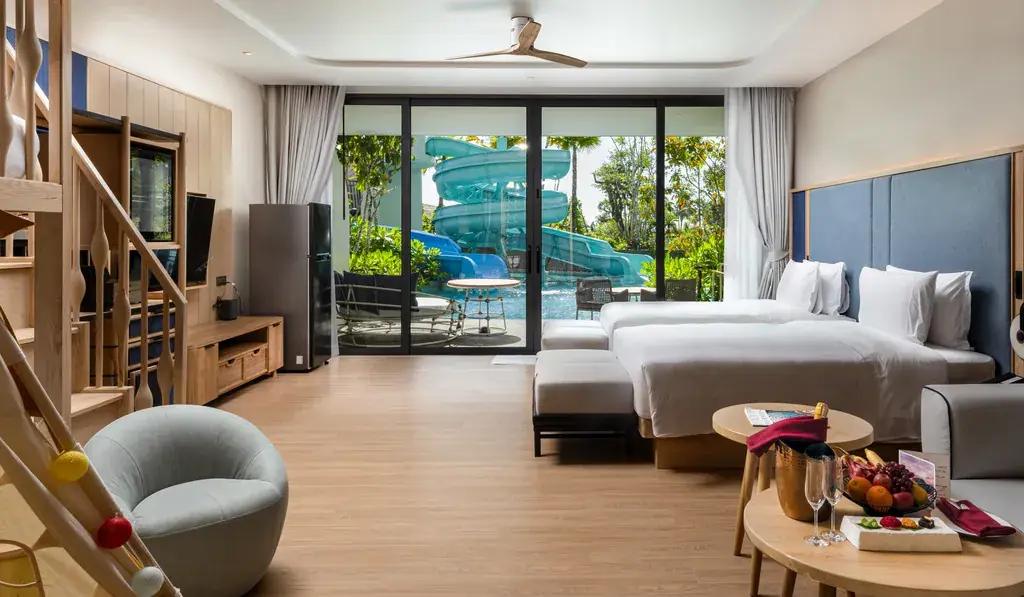
The phrase best family hotels for toddlers is frequently treated in commercial leisure marketing as a superficial label applied to any property with a shallow wading pool. In professional travel design and hospitality asset evaluation, however, analyzing the best family hotels for toddlers demands a rigorous, multi-variable approach. Analysts must categorize properties by physical childproofing density, pediatric medical access, acoustic isolation, and stroller navigability. A primary error among parents is assuming that a standard family resort automatically accommodates crawling infants and active toddlers, ignoring the severe safety hazards posed by open balconies, unprotected electrical outlets, and hard stone flooring.
A critical risk when evaluating the best family hotels for toddlers involves underestimating the friction caused by rigid operational schedules and poor spatial layouts. Unlike older children who adapt easily to hotel environments, toddlers require predictable nap schedules, specialized meal prep capabilities, and constant physical containment away from hazards. Consequently, learning to assess the best family hotels for toddlers requires comprehensive operational literacy, an understanding of child-safety compliance, and an appreciation of how physical architecture impacts parental stress levels. True analytical mastery rests in recognizing that successful toddler lodging depends entirely on proactive safety engineering and flexible family support systems.
The Historical Evolution of Toddler-Centric Hospitality
The development of dedicated toddler hospitality reflects profound shifts in dual-income family structures, parental leave standards, and pediatric developmental psychology. During the mid-twentieth century, family travel assumed a monolithic older child demographic. Hotels offered little to no specialized infrastructure for infants or toddlers, requiring parents to pack heavy travel cribs, portable high chairs, and custom baby food supplies for even short domestic trips.
The late twentieth century and early twenty-first century disrupted this paradigm with the rise of specialized family resorts and branded toddler clubs. Hospitality developers recognized that capturing the modern family market required shifting from passive tolerance of young children to active, dedicated infant and toddler support infrastructure. Today, the sector represents a highly sophisticated branch of travel design. Modern parents demand certified in-room babyproofing kits, bottle-sterilization services, nap-conducive blackout rooms, and certified nursery care staffed by pediatric specialists.
Conceptual Frameworks for Toddler Hotel Evaluation
Assessing the structural integrity, safety standards, and experiential value of properties intended for toddler travel requires the application of rigorous analytical mental models:
-
The Micro-Safety and Containment Index: Evaluates architectural childproofing, including balcony safety mesh, window restriction locks, soft-corner furniture design, and stair gate availability.
-
The Nap Acoustic Insulation Ratio: Measures decibel reduction between guest rooms and hallway traffic or evening entertainment venues to protect strict daytime and nighttime toddler sleep windows.
-
The Pediatric Nutrition Access Vector: Analyzes the availability of fresh purees, allergen-safe toddler dining options, and 24-hour milk warming stations within the property footprint.
Categorizing Resort Variations and Structural Trade-offs
| Resort Category | Primary Geographic Advantage | Structural and Operational Trade-off |
| All-Inclusive Toddler-Focused Resorts | On-site medical clinics; dedicated baby clubs; stroller-friendly flat terrain | High crowd density; loud public spaces; rigid dining schedules |
| Boutique Countryside Family Estates | Utter tranquility; expansive green lawns for toddler exploration | Isolated from pediatric hospitals; lack of paved stroller pathways |
| Urban Aparthotels with Full Kitchens | Full cooking and laundry facilities; proximity to children’s museums | Absence of resort-style pools; complex urban transit and parking logistics |
| Luxury Coastal Villa Compounds | Private plunge pools with secure fencing; multi-room isolation | Premium financial cost; isolated from organized children’s programming |
| Theme Park Connected Properties | Immediate access to park transit; character entertainment | Extreme sensory overload; long walking corridors exhausting for toddlers |
| Historic Thermal Spa Retreats | Healing mineral waters; slow-paced traditional hospitality | Strict age limits on thermal pools; lack of modern elevator accessibility |
When applying decision logic to these structural categories, family planners must align their toddler’s developmental stage with the operational physics of each specific venue type. For instance, parents traveling with mobile, high-energy toddlers will find optimal safety and convenience within all-inclusive toddler-focused resorts featuring flat terrain and gated facilities. Conversely, families prioritizing quiet routines and home-cooked nutrition must evaluate urban aparthotels or private villa compounds.
Detailed Real-World Scenarios and Decision Logic
Scenario 1: Managing Sudden Pediatric Illness in Remote Destination Settings
A family travels with a toddler to an isolated boutique eco-lodge located two hours away from the nearest urban medical center.
-
Constraint: The toddler develops a sudden high fever and ear infection late at night, and the resort lacks on-site medical staff or pediatric pharmaceuticals.
-
Failure Mode: Relying on basic hotel first-aid kits results in delayed medical care and severe distress during a midnight transit crisis.
-
Decision Point: Prioritize properties that maintain 24-hour on-call pediatric nurses or establish a strict radius rule requiring major medical facilities within thirty minutes of travel.
Scenario 2: Overcoming Architectural Hazards in Un-Childproofed Luxury Suites
A family checks into a five-star historical hotel featuring sweeping stone staircases, glass coffee tables, and unsecured floor-to-ceiling windows.
-
Constraint: The historic property refuses to alter permanent interior fixtures or provide portable safety gates due to design preservation policies.
-
Failure Mode: Allowing an active toddler to roam the suite leads to constant parental anxiety and high physical injury risks.
-
Decision Point: Immediately request an alternate ground-floor suite layout or deploy travel safety gear (such as portable door alarms and corner guards) brought specifically for the trip.
Planning, Cost, and Resource Dynamics
Executing a successful vacation with a toddler across diverse resort environments requires rigorous financial forecasting and an understanding of regional cost variability. The economic landscape of toddler travel is heavily shaped by equipment rental fees, infant food surcharges, medical contingency reserves, and room upgrade tariffs.
| Financial Variable | Economic Variability | Strategic Impact on Asset Performance |
| Crib, Stroller, and High Chair Rental Fees | Moderate | Daily equipment rental rates can inflate baseline room budgets significantly |
| Specialized Infant Food and Milk Provisioning | Low to Moderate | Importing specialized toddler dietary items adds hidden out-of-pocket costs |
| Ground-Floor and Connecting Suite Premiums | High | Securing nap-conducive room placements often requires paying higher room tier rates |
| Private Certified Babysitting Surcharges | High | Engaging vetted individual childcare providers adds heavy daily operational expenses |
Tools, Strategies, and Support Systems
-
Portable Travel Childproofing Kits: Compact toolsets including outlet covers, cabinet locks, and door pinch guards used to secure unfamiliar hotel rooms.
-
White Noise and Room Darkening Portals: Portable sound machines and blackout suction blinds ensuring uninterrupted toddler sleep schedules across different time zones.
-
Medical Translation and Pharmacy Locators: Digital applications designed to identify local pediatric clinics and equivalent medication formulations when traveling internationally.
-
Colic and Fever Emergency Checklists: Step-by-step medical response guides tailored for managing childhood illnesses while away from home.
Risk Landscape and Failure Modes
The primary hazard inherent in toddler travel is sleep deprivation compounding developmental dysregulation. Because toddlers rely heavily on predictable circadian rhythms and familiar spatial cues, moving them across time zones or subjecting them to noisy, high-stimulation resort environments frequently triggers severe behavioral meltdowns. Failing to build strict daytime nap windows into daily itineraries accounts for a high percentage of failed family vacations.
An internal operational failure mode is structural water exposure. Toddlers are notoriously attracted to swimming bodies of water and lack motor impulse control. Properties that feature unfenced infinity pools, open ornamental ponds, or unguarded beach access without continuous lifeguard supervision present catastrophic drowning hazards that require absolute parental vigilance.
Governance, Maintenance, and Long-Term Adaptation
Maintaining safety standards and travel satisfaction for families with young children requires a disciplined, iterative review methodology. Prudent travel planners must audit resort safety certifications, elevator dimensions, and ramp accessibility prior to confirming reservations. If historical data reveals that a specific property frequently mismanages crib sanitation or ignores safety maintenance on playground equipment, that property must be permanently removed from future travel consideration.
Additionally, families should maintain an ongoing travel asset log to record which hotel brands consistently deliver on infant and toddler promises. If historical reviews indicate that a resort’s advertised baby-sitting service lacks proper credential verification, subsequent booking cycles must adjust to utilize independent, pre-vetted agency support.
Measurement, Tracking, and Evaluation Frameworks
-
Toddler Sleep Maintenance Score: Quantifies whether the lodging environment successfully protected the child’s standard daily nap and nighttime sleep hours.
-
Physical Safety Audit Rating: Tracks the presence and condition of essential childproofing infrastructure throughout the guest accommodation and resort grounds.
-
Parental Stress and Fatigue Index: Measures subjective post-trip evaluation data reflecting how effectively the property minimized logistical friction for caregivers.
-
Pediatric Amenity Reliability: Evaluates the consistency and quality of high chairs, cribs, bottle warmers, and high-chair provisions supplied by the property.
Common Misconceptions and Oversimplifications
-
Myth: “Any hotel that provides a portable pack-and-play crib qualifies as fully optimized for toddlers.” Reality: Providing a basic crib fails to address critical toddler safety needs such as window locks, electrical safety, and stair protection.
-
Myth: “Traveling with a toddler is easiest in bustling city centers filled with constant entertainment.” Reality: Dense urban environments with heavy traffic, narrow sidewalks, and lack of green space create high stress for stroller-bound families.
-
Myth: “All-inclusive resorts automatically handle all infant nutritional requirements.” Reality: Many resorts offer standard adult and older child fare, requiring parents to source specialized toddler milks and purees independently.
-
Myth: “Ground-floor rooms are universally available upon request at check-in.” Reality: Historic and boutique properties frequently place basic rooms on upper levels served only by narrow stairwells.
Ethical, Practical, and Contextual Considerations
The expansion of massive family-oriented resort complexes raises important questions regarding urban planning, resource equity, and community child-safety standards. Large resort developments in developing regions often consume disproportionate municipal water and energy resources while failing to invest in local pediatric healthcare infrastructure. Forward-thinking travelers increasingly evaluate properties based on their broader community engagement and support for local pediatric health initiatives. Selecting destinations that practice rigorous environmental stewardship and fair labor standards ensures that family travel contributes positively to destination communities without compromising child safety.
Conclusion
The execution of travel with young children requires an uncompromising synthesis of logistical precision, spatial awareness, and uncompromising safety standards. True mastery in identifying the best family hotels for toddlers involves looking past superficial marketing imagery to evaluate the core childproofing, acoustic isolation, and medical readiness of each property. By approaching venue selection and itinerary architecture with analytical clarity and intellectual honesty, parents ensure that their shared travel experiences yield enduring memories and genuine family restoration.