How to Avoid Family Hotels Risks: An Expert Safety Guide
Coordinating group and multi-generational accommodations involves navigating a complex intersection of physical safety hazards, financial exposure, and inventory misalignments. When families attempt to book group stays, the hidden pitfalls quickly multiply across unsecured architectural features, rigid cancellation contracts, and inadequate pediatric health resources. Mastering how to avoid family hotels risks demands moving far beyond basic review reading into sophisticated operational risk assessment and structural auditing. Experienced travel curators and cautious family leaders recognize that long-term safety and security rely on preemptive vetting rather than reactive problem-solving after arrival.
Navigating this sector requires looking past promotional imagery and marketing claims. Structural realities—including unprotected pool perimeters, toxic cleaning agents, hidden bed bug vectors, and deceptive room connectivity promises—dictate how successful risk mitigation functions. Furthermore, evolving expectations regarding supervision standards and child-friendly emergency response protocols have forced operators to constantly update their safety frameworks. Planners who approach family accommodations without a structured risk management methodology frequently miscalculate liability bottlenecks and physical dangers.
This analysis establishes an exhaustive evaluation framework for multi-generational and domestic family hospitality safety. By tracing historical shifts, examining operational mental models, and analyzing resource management strategies, this resource serves as a definitive reference. Specifically, it provides deep intellectual mastery over how to avoid family hotels risks for discerning parents, hospitality strategists, and travel asset managers.
Understanding “how to avoid family hotels risks”
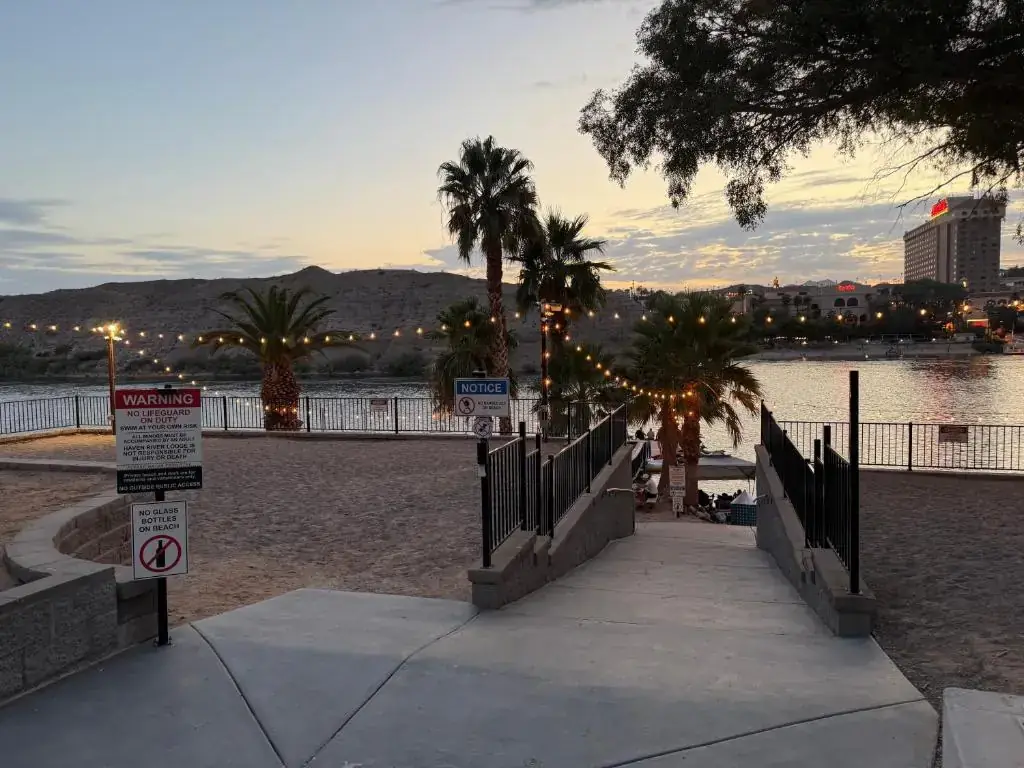
The phrase how to avoid family hotels risks is frequently treated in leisure travel media as a superficial list of generic safety tips, such as checking door locks or inspecting room cleanliness. In professional hospitality management, travel design, and family asset evaluation, however, mastering how to avoid family hotels risks demands a rigorous, multi-variable approach. Analysts must categorize vulnerabilities by physical injury vectors, legal contract exposures, and health hygiene metrics. A primary error among family travelers is assuming that a luxury star rating automatically guarantees child-proof architectural integrity, ignoring severe hazards such as unfenced balconies, unguarded electrical outlets, and toxic chemical storage within guest suites.
A critical risk when learning how to avoid family hotels risks involves underestimating the compounding impact of environmental and contractual dangers. Unlike solo business travelers who require minimal physical containment, family groups face multiplying threats from swimming pools, slippery tile surfaces, and predatory non-refundable booking terms. Consequently, learning how to avoid family hotels risks requires comprehensive legal and operational literacy, an understanding of property liability laws, and an appreciation of how direct property vetting prevents catastrophic incidents. True analytical mastery rests in recognizing that knowing how to avoid family hotels risks depends entirely on proactive threat modeling rather than passive hope.
The Historical Evolution of Hospitality Safety Standards
The development of hospitality safety protocols reflects profound shifts in civil tort law, consumer protection legislation, and international building codes. During the mid-twentieth century, family accommodations operated under minimal regulatory oversight, leaving properties largely unaccountable for structural child hazards, swimming pool drownings, or fire safety deficiencies. Handshake agreements and basic municipal inspections defined the baseline of operational safety.
The late twentieth and early twenty-first centuries disrupted this paradigm with the rise of rigorous global safety certifications, Americans with Disabilities Act mandates, and international hotel brand compliance standards. Hospitality brands recognized that capturing the family market required shifting from reactive injury management to proactive architectural risk engineering. Today, family travel safety represents a highly sophisticated sector. Modern planners demand verified ASTM-compliant pool fencing, certified in-room electrical safety covers, fire-retardant furnishings, and transparent emergency evacuation protocols.
Conceptual Frameworks for Risk Architecture
Assessing the physical safety, contractual security, and long-term reliability of family lodging requires the application of rigorous analytical mental models:
-
The Environmental Hazard Density Index: Evaluates the concentration of physical threats within a guest accommodation, including staircases, glass doors, and open water features.
-
The Contractual Liability Ratio: Measures financial and legal exposure across tiered cancellation penalties, force majeure exemptions, and property waiver clauses.
-
The Pediatric Health Response Vector: Analyzes the proximity and readiness of emergency medical services relative to the property’s remote or urban geographic footprint.
Categorizing Accommodation Hazards and Structural Trade-offs
| Hazard Category | Primary Safety Vulnerability | Structural and Operational Trade-off |
| Water Feature Proximity | Unfenced infinity pools, ornamental ponds, and open beach access | High physical risk of toddler drowning requiring constant active supervision |
| Architectural Fall Hazards | Unsecured upper-floor balconies, wide stair banisters, low windows | Strict reliance on window restriction locks and portable safety gates |
| Inflexible Non-Refundable Terms | Complete loss of capital upon sudden family medical emergencies | Zero financial agility if a child falls ill prior to departure |
| Deceptive Room Connectivity | Dispersed rooms on separate floors despite online request notes | Severe logistical breakdown in multi-generational supervision |
| Substandard Hygiene Vectors | Hidden allergen contamination, mold buildup, pest infestations | Rigorous sanitation auditing required prior to room acceptance |
| Inadequate Fire Evacuation Routes | Confusing maze-like corridors and blocked emergency exit stairwells | Requires manual physical inspection of evacuation maps upon check-in |
When applying decision logic to these hazard categories, family planners must align their risk tolerance with the operational realities of each specific property type. For instance, families traveling with mobile toddlers must completely avoid properties featuring unfenced water bodies or unbolted glass furniture, regardless of promotional discounts. Conversely, multi-generational groups must prioritize properties with certified accessible entryways and verified connecting room guarantees.
Detailed Real-World Scenarios and Decision Logic
Scenario 1: Mitigating Unfenced Balcony Hazards in High-Rise Resorts
A family checks into a high-rise oceanfront resort suite featuring wide vertical balcony railings and low concrete ledges.
-
Constraint: The resort architecture permits a young child to squeeze through the vertical railing gaps or climb onto structural ledges.
-
Failure Mode: Relying on verbal assurances from the front desk results in a catastrophic fall hazard during unsupervised moments.
-
Decision Point: Immediately demand an immediate room relocation to a ground-floor unit or deploy portable safety netting brought specifically to block railing gaps.
Scenario 2: Avoiding Financial Collapse Under Rigid Force Majeure Exclusions
A multi-generational family books a major family reunion resort package across several pre-paid non-refundable rooms.
-
Constraint: A regional transportation strike or severe weather event disrupts travel, but the hotel refuses refunds citing standard policy.
-
Failure Mode: Losing the entire multi-thousand-dollar travel budget due to lack of protective contractual language.
-
Decision Point: Secure comprehensive third-party travel insurance covering interruption and default protection during the initial booking window.
Planning, Cost, and Resource Dynamics
Executing family lodging risk mitigation across diverse market segments requires rigorous financial forecasting and an understanding of regional safety expenditure variability. The economic landscape of family safety is heavily shaped by insurance premiums, safety equipment shipping costs, and direct-property vetting expenditures.
| Financial Variable | Economic Variability | Strategic Impact on Asset Performance |
| Comprehensive Travel Insurance Premiums | Moderate | Upfront coverage protects against total forfeiture of non-refundable outlays |
| Specialized Travel Safety Gear Procurement | Low to Moderate | Purchasing portable door alarms, outlet covers, and monitors ensures room security |
| Premium Property Safety Upgrades | High | Selecting fully child-proofed luxury compounds increases baseline room tariffs |
| Emergency Medical Evacuation Coverage | High | Essential for remote international resorts lacking local pediatric clinics |
Tools, Strategies, and Support Systems
-
Portable Room Security Kits: Compact toolsets including door jam alarms, window security locks, and tamper-evident seals.
-
Third-Party Travel Insurance Portals: Comprehensive policy comparison platforms evaluating cancel-for-any-reason and medical evacuation coverage.
-
Global Hazard Reporting Databases: International consumer protection registries tracking hotel safety violations and sanitation failures.
-
Direct Property Safety Auditing Checklists: Structured verification forms utilized to inspect electrical outlets, smoke detectors, and balcony locks upon arrival.
Risk Landscape and Failure Modes
The primary hazard inherent in family travel risk management is false security driven by marketing terminology. Because amateur planners frequently trust promotional phrases like “family-friendly resort,” they often fail to inspect underlying physical hazards such as unfenced pools, toxic landscaping plants, or unstable heavy furniture. Falling into the trap of assuming standard hotel rooms are naturally childproof accounts for a high percentage of preventable vacation injuries.
An internal operational failure mode is communication fragmentation among multi-generational groups. When family members book separate rooms across disparate booking channels without a centralized master coordinator, critical safety instructions—such as dietary allergy alerts, medical emergency contacts, and room proximity requirements—fail to reach property management.
Governance, Maintenance, and Long-Term Adaptation
Maintaining risk reduction efficiency requires a disciplined, iterative review methodology. Prudent planners must conduct milestone safety audits at ninety, sixty, and thirty days prior to departure to verify property security certifications, emergency medical access, and cancellation protections. If historical data reveals that a particular resort brand consistently fails to address structural maintenance or safety complaints, that brand must be permanently blacklisted from future travel consideration.
Additionally, family travel organizers should maintain a master risk log to archive historical safety audits, insurance claim outcomes, and property-specific hazard ratings. If regional tourism safety standards shift due to changing local regulations or infrastructure degradation, subsequent booking criteria must be adjusted accordingly.
Measurement, Tracking, and Evaluation Frameworks
-
Physical Hazard Incident Rate: Quantifies the frequency of safety near-misses or minor injuries encountered during the stay.
-
Contractual Protection Index: Measures the percentage of financial outlays successfully shielded by insurance policies and flexible cancellation terms.
-
Emergency Preparedness Score: Evaluates how effectively the lodging property and family group communicated evacuation routes and medical contacts.
-
Safety Audit Compliance Percentage: Tracks the completion rate of pre-arrival room safety checks and architectural hazard inspections.
Common Misconceptions and Oversimplifications
-
Myth: “Major international hotel brands universally enforce identical safety and childproofing standards worldwide.” Reality: Property safety standards vary wildly by local franchise ownership, regional building codes, and historical property renovations.
-
Myth: “Standard hotel room doors are secure enough to prevent wandering toddlers from exiting into hallways.” Reality: Standard hotel deadbolts and latch placements are easily reached by mobile toddlers, requiring supplemental portable door alarms.
-
Myth: “Travel insurance automatically covers all pre-existing medical conditions and family scheduling conflicts.” Reality: Standard policies require explicit waiver purchases or cancel-for-any-reason upgrades to cover complex family health scenarios.
-
Myth: “Online review platforms provide accurate assessments of hotel safety hazards.” Reality: Public reviews heavily focus on aesthetic amenities and service friendliness while frequently omitting critical structural safety data.
Ethical, Practical, and Contextual Considerations
The implementation of stringent safety standards in family hospitality raises important questions regarding regulatory enforcement, economic disparities, and property liability laws. In many developing regions, municipal building codes lack mandatory pool fencing requirements or strict electrical childproofing mandates, placing the entire burden of risk management onto the consumer. Forward-thinking travelers increasingly evaluate properties based on their proactive adherence to international safety guidelines, ensuring that family travel supports responsible operators who prioritize human safety over bare-minimum compliance.
Conclusion
The execution of multi-generational family travel requires an uncompromising synthesis of operational vigilance and risk management discipline. True mastery of how to avoid family hotels risks involves looking past superficial marketing imagery to evaluate physical safety architectures, contractual liability terms, and emergency medical readiness. By approaching venue selection and itinerary planning with analytical rigor and intellectual honesty, families ensure that their travel investments yield enduring memories and absolute physical security.