Top Mountain Retreats in America: Ultimate Luxury Alpine Guide
The geographical diversity of the North American continent shapes a distinct category of high-altitude hospitality that transcends conventional notions of leisure travel. High-elevation redoubts across the Rocky Mountains, the Cascade Range, the Blue Ridge, and the Sierra Nevada operate under complex climatic, ecological, and economic constraints. Travelers seeking true detachment from urban environments frequently encounter properties that promise pristine wilderness isolation yet remain tethered to fragile infrastructural networks, seasonal labor shifts, and delicate alpine ecosystems. Evaluating these remote destinations requires an understanding of how topography dictates architecture, how weather patterns dictate operational viability, and how luxury hospitality has evolved to respect rather than conquer wild terrain.
Modern alpine and high-country resorts must negotiate the delicate equilibrium between environmental preservation and guest comfort. As demand increases for authentic, nature-immersed escapes, properties situated in isolated mountain corridors face intense scrutiny regarding water usage, waste management, wildlife corridor disruption, and carbon footprints. Consequently, discerning travelers and asset managers look far beyond superficial marketing gloss to assess the underlying structural resilience, architectural integrity, and ecological stewardship of premier highland escapes. This resource provides a comprehensive examination of the factors defining elite mountain destinations across the United States.
Understanding top mountain retreats in america
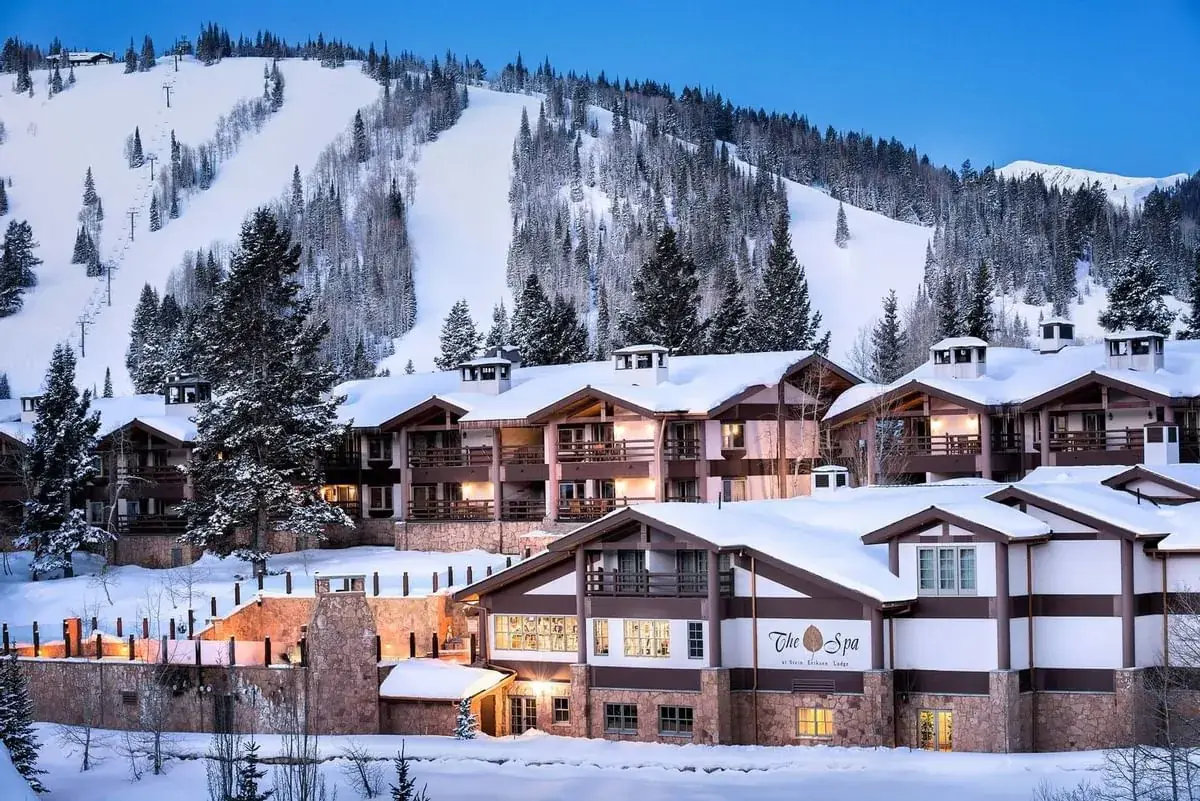
The phrase top mountain retreats in america is frequently commercialized across digital lifestyle aggregators as a superficial collection of ski lodges, scenic cabins, and seasonal tourist hubs. In professional real estate analysis and high-end leisure portfolio management, however, mastering top mountain retreats in america demands a rigorous, multi-variable evaluative framework. Analysts must examine seasonal access road stability, microclimate heating efficiency, water rights acquisition, and the underlying municipal infrastructure supporting remote wilderness estates. A primary error among leisure planners involves assuming that high-end wilderness lodges operate with the same resource abundance as urban luxury hotels, ignoring how remote geography introduces severe supply chain vulnerabilities and waste management hurdles.
A critical risk when evaluating top mountain retreats in america involves underestimating the friction between heavy seasonal tourism and fragile alpine ecosystems. Unlike urban hospitality centers where infrastructure is infinitely scalable, mountain valleys possess strict ecological carrying capacities that dictate guest density, waste output, and wildlife protection protocols. Consequently, learning top mountain retreats in america requires comprehensive environmental literacy, an understanding of local zoning laws, and an appreciation of high-altitude physiological impacts on human travelers. True analytical mastery rests in recognizing that sustainable mountain luxury depends on architectural harmony with topography, strict resource conservation, and rigorous seasonal adaptation rather than sheer luxury square footage.
The Historical Evolution of North American High-Altitude Hospitality
The mechanics of American mountain resort development have evolved alongside profound shifts in transcontinental transportation, industrial mining history, and changing cultural perceptions of wilderness. During the nineteenth and early twentieth centuries, high-elevation infrastructure in regions like the Colorado Rockies and the Sierra Nevada was built entirely to support mineral extraction and timber harvesting. Remote settlements were functional, austere, and heavily dependent on narrow-gauge railway lines that struggled against harsh winter avalanches.
The postwar economic boom of the mid-twentieth century transformed these industrial corridors into recreational enclaves. Visionaries adapted European alpine traditions to American geography, establishing the foundational ski towns and wilderness lodges that populate contemporary tourism portfolios. Subsequent decades witnessed a shift from rustic boarding houses to sprawling master-planned resort communities featuring high-speed chairlifts, luxury wellness spas, and private residential clubs. Today, understanding top mountain retreats in america requires navigating this mature historical landscape, where properties must balance historic preservation mandates with modern expectations of high-speed digital connectivity and refined architectural design.
Conceptual Frameworks for Elevation Asset Valuation and Environmental Carrying Capacity
Assessing the structural integrity, ecological impact, and long-term viability of high-altitude properties requires rigorous analytical mental models:
-
The Ecological Carrying Capacity Index: Evaluates the maximum visitor volume a mountain watershed and surrounding forest ecosystem can sustain without permanent habitat degradation.
-
The Vertical Access Friction Coefficient: Measures the logistical complexity and transit time required to transport guests, staff, and supplies from primary transit hubs to remote alpine sites.
-
The Thermal Envelope Resilience Model: Analyzes building insulation, snow-load structural capacity, and heating efficiency required to withstand extreme sub-zero alpine winter conditions.
-
The Seasonal Yield Volatility Matrix: Quantifies the financial risk associated with snowpack variability, shoulder-season lulls, and unpredictable weather windows in high-elevation economies.
Key Categories and Structural Trade-offs
| Mountain Retreat Category | Primary Operational Advantage | Structural and Financial Trade-off |
| High-Altitude Ski-in/Ski-out Mega-Resorts | Immediate slope access and robust winter revenue streams | Massive capital intensity, high lift maintenance costs, and heavy winter congestion |
| Remote Wilderness Ranches and Estates | Absolute privacy, vast acreage, and immersive nature connection | High supply chain friction, expensive off-grid power maintenance, and seasonal isolation |
| Historic Mining Town Boutique Hotels | Walkable cultural integration, local dining access, and architectural character | Strict historic preservation building codes and limited room expansion potential |
| Thermal Mineral Spring Mountain Spas | Year-round wellness draw and geothermal heating sustainability | High mineral scaling maintenance on plumbing and strict water extraction regulations |
| Eco-Conscious Alpine Cabin Clusters | Low environmental footprint and high appeal for sustainability-focused travelers | Minimalist amenities, weather-dependent guest comfort, and limited luxury offerings |
| High-Elevation Plateau Desert-Mountain Hybrids | Unique geographical contrast and pleasant shoulder-season climate | Extended transit distances from major commercial airports and specialized water management |
When applying decision logic to these categories, real estate developers and luxury travelers must align target experiences with environmental limitations. For instance, multi-generational families seeking structured winter sports extract high satisfaction from master-planned ski resorts, whereas corporate retreats or individuals seeking absolute solitude lean heavily toward remote backcountry ranches and private wilderness estates.
Detailed Real-World Scenarios and Decision Logic
Scenario 1: Managing Water Rights and Snowmaking Infrastructure Deficits
A luxury alpine resort located in an interior mountain basin faces a severe winter drought, threatening its primary winter sports operations and guest satisfaction metrics.
-
Constraint: Strict state water allocation laws and declining snowpack volumes limit the resort’s ability to draw water from local streams for artificial snowmaking.
-
Failure Mode: Relying on unpermitted water extraction or failing to invest in closed-loop reservoir storage results in legal injunctions and barren ski slopes.
-
Decision Point: Invest heavily in high-efficiency high-pressure snow guns, establish private augmentation ponds, and diversify resort programming toward non-snow alpine activities like guided winter ecology hikes and wellness retreats.
Scenario 2: Mitigating Avalanche Risk and Access Road Closures for Remote Lodges
A high-end mountain retreat situated in a steep mountain pass experiences a multi-day highway closure due to heavy avalanche danger and severe blizzards.
-
Constraint: Isolated mountain passes cut off all vehicular supply trucks and guest check-ins, stranding current guests and halting incoming revenue.
-
Failure Mode: Failing to maintain adequate on-site food stores, auxiliary generator fuel, and emergency medical supplies compromises guest safety and brand reputation.
-
Decision Point: Implement mandatory on-site warehousing protocols holding a minimum of seven days of consumable provisions, install independent microgrid power generation, and establish clear emergency communication networks with county search-and-rescue teams.
Planning, Cost, and Resource Dynamics
Executing the development and long-term operation of elite high-altitude properties requires managing extraordinary economic variables. Specialized snow-clearing equipment, remote property maintenance labor, heavy fuel transport costs, and short seasonal construction windows represent significant ongoing capital outlays. Furthermore, securing pristine land within protected national forest boundaries or sensitive wildlife habitats demands complex federal permitting and environmental impact mitigation.
| Financial Variable | Economic Variability | Strategic Impact on Property Management |
| Alpine Energy and Heating Outlays | Extreme (Winter Peak) | Installing geothermal heat pumps and high-grade structural insulation minimizes utility shock |
| Seasonal Staff Housing Subsidies | High (Local Housing Deficit) | Constructing dedicated employee dormitories ensures stable staffing through peak seasons |
| Specialized Snow Removal Logistics | Variable (Snowpack Dependent) | Maintaining private heavy machinery fleets prevents guest transit bottlenecks |
| Environmental Compliance Auditing | Fixed Baseline | Partnering with local conservation trusts protects long-term land use rights |
Tools, Strategies, and Support Systems
-
Automated Weather Monitoring Arrays: High-precision meteorological stations tracking wind loading, snow density, and localized temperature shifts across remote slopes.
-
Geographic Information Systems (GIS): Advanced mapping software used to analyze property boundaries, wildlife migration corridors, and avalanche chute paths.
-
Microgrid Energy Management Portals: Digital dashboards optimizing solar, propane, and battery storage systems for off-grid mountain estates.
-
Avalanche Forecasting and Mitigation Tools: Specialized explosive delivery systems and radar sensors protecting infrastructure from slope failures.
-
Supply Chain Inventory Trackers: Enterprise software managing food, fuel, and linen reserves during periods of potential winter road isolation.
Risk Landscape and Failure Modes
The primary hazard inherent in operating high-altitude mountain properties is seasonal dependency and infrastructure vulnerability. Because remote mountain regions are susceptible to extreme weather events, wildfires, mudslides, and blizzards, any disruption in regional power grids or transit arteries can isolate a property for days. Operators who fail to maintain robust auxiliary life-support systems and comprehensive emergency evacuation plans expose their guests and financial assets to severe jeopardy.
An internal operational failure mode involves seasonal labor retention and housing shortages. Because destination mountain towns frequently lack sufficient affordable housing for service staff, luxury properties often struggle to maintain adequate staffing ratios during peak holiday windows. Unprepared management teams discover that high employee turnover directly degrades the personalized service standards expected by affluent patrons.
Governance, Maintenance, and Long-Term Adaptation
Maintaining optimal operational standards across multi-year mountain resort cycles requires a disciplined, iterative facility audit methodology. Engineering teams must conduct comprehensive summer maintenance windows to inspect roof snow-load integrity, clear drainage culverts against spring snowmelt erosion, and service emergency backup generators. If historical data reveals that a particular access road is prone to recurring mudslides during spring thaws, civil engineering reinforcements must be prioritized before the next operating season.
Additionally, resort asset managers must maintain a proactive dialogue with regional United States Forest Service officials and local environmental agencies. As climate patterns shift and wildfire risks evolve, property defensible space clearance protocols and forest thinning schedules must be aggressively updated. This disciplined approach ensures long-term ecological health and protects physical assets from catastrophic wildfire exposure.
Measurement, Tracking, and Evaluation Frameworks
-
Alpine Ecosystem Health Index: Quantifies soil stability, water quality metrics, and native vegetation recovery around high-density resort footprints.
-
Energy Self-Sufficiency Ratio: Measures the percentage of on-site electricity and heat generated via renewable or microgrid assets versus regional grid dependence.
-
Guest High-Altitude Adaptation Score: Evaluates visitor feedback regarding comfort, room oxygen supplementation (if applicable), and physical acclimatization support.
-
Shoulder-Season Occupancy Yield: Assesses the economic success of marketing non-winter programming during spring and autumn transition periods.
Common Misconceptions and Oversimplifications
-
Myth: “Operating a luxury mountain retreat is identical to running an urban hotel, just with colder weather outside.” Reality: Remote mountain properties face extreme supply chain constraints, severe weather isolation risks, and specialized structural engineering requirements that urban hotels never encounter.
-
Myth: “Snowmaking in modern ski-adjacent resorts has zero environmental impact on local watershed health.” Reality: Artificial snowmaking requires massive water diversion and energy consumption, necessitating strict regulatory oversight and water rights management.
-
Myth: “Summer seasons in mountain resort towns are quiet and require minimal operational staffing.” Reality: Summer adventure tourism, mountain biking, and destination weddings have grown into major revenue drivers requiring near-peak operational capacity.
-
Myth: “Historic mountain towns allow unrestricted architectural expansion for new luxury hotel developments.” Reality: Most prime mountain destinations enforce rigid historic preservation ordinances and strict height limits that heavily restrict new construction.
-
Myth: “High-altitude air is universally clean and free of environmental pollutants.” Reality: Mountain valleys frequently trap temperature inversions, concentrating woodsmoke and regional particulate matter during winter months.
-
Myth: “Private mountain estates require no community integration or regional infrastructure support.” Reality: Even isolated wilderness properties rely entirely on regional emergency services, county road maintenance, and shared watershed management.
Ethical, Practical, and Contextual Considerations
The development and operation of high-elevation mountain retreats also intersect heavily with indigenous land stewardship, wildlife habitat preservation, and socio-economic equity within mountain communities. Because luxury resort expansion often drives up local real estate costs and displaces long-term local residents, progressive property operators invest heavily in workforce housing initiatives and community land trusts. Forward-thinking asset managers balance high commercial yields with genuine respect for the cultural and ecological heritage of the mountain valleys they inhabit.
Conclusion
Mastering the complexities of high-altitude hospitality requires an uncompromising synthesis of structural engineering, ecological sensitivity, and logistical foresight. True authority in this asset class involves looking past picturesque postcard imagery to evaluate winter survival infrastructure, water rights security, and sustainable land stewardship. By approaching the development and management of premier high-country properties with professional rigor, asset owners ensure that these delicate wilderness environments deliver enduring financial resilience, architectural integrity, and profound guest enrichment.